
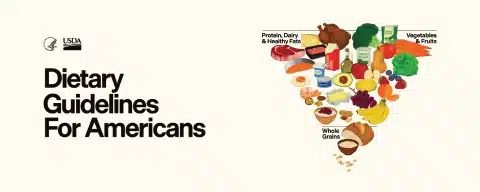
NEW U.S. NUTRITION GUIDELINES INTRODUCE AN INVERTED PYRAMID
The U.S. Department of Health and Human Services (HHS) and […]
Read more
A recent multi-journal publication—featured in The American Journal of Clinical Nutrition (AJCN), Obesity, American Journal of Lifestyle Medicine (AJLM), and Obesity Pillars—highlights essential nutritional and lifestyle strategies to enhance the effectiveness of GLP-1 receptor agonists in individuals with obesity.
While GLP-1 therapies have demonstrated weight loss reductions of 5–18% in randomized controlled trials, their effectiveness is often reduced in real-world practice. Contributing factors include limited clinician and public awareness of nutrition and lifestyle interventions, as well as the everyday challenges encountered in routine care.
These challenges include:
The publication draws attention to the importance of integrating nutritional support in GLP-1 therapies to reduce potential risks. It presents a framework of evidence-based strategies to enhance clinical outcomes. From a nutritional standpoint, the following priorities are key to successful GLP-1 therapy:

Nutrition and lifestyle support are fundamental to maximize the benefits, minimize side effects, and ensure the long-term sustainability of GLP-1–based obesity treatment.
References:
The U.S. Department of Health and Human Services (HHS) and […]
Read more
Promoting lifelong brain care through shared responsibility and preventive approaches […]
Read more
Engaging physicians in the role of FontUp® and early intervention […]
Read more