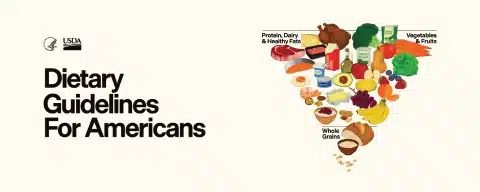
NEW U.S. NUTRITION GUIDELINES INTRODUCE AN INVERTED PYRAMID
The U.S. Department of Health and Human Services (HHS) and […]
Read more
Inulin’s impact on gut health opens door to personalized nutrition
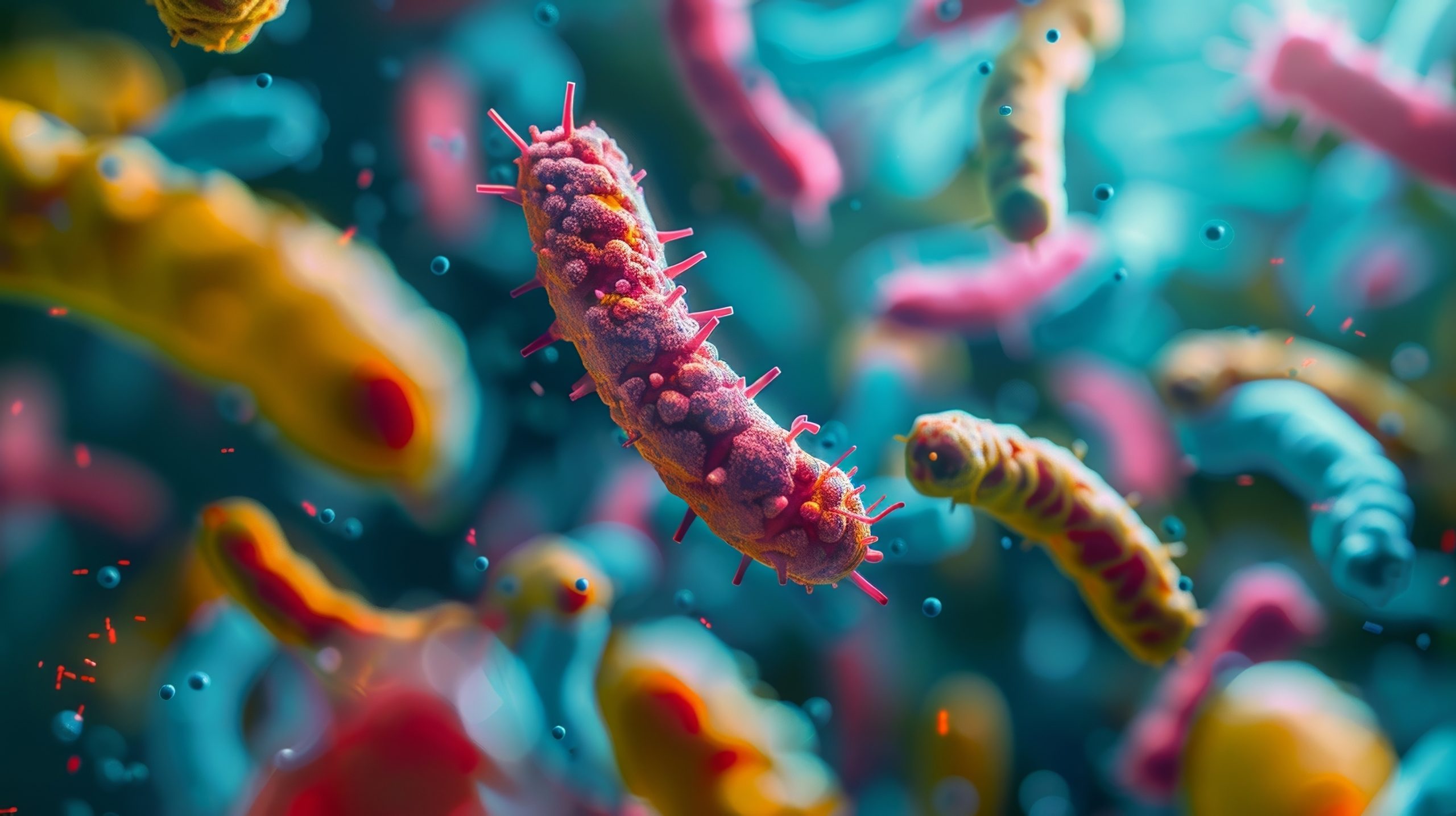
A recent study led by David Berry and Alessandra Riva at the Centre for Microbiology and Environmental Systems Science (CeMESS) at the University of Vienna has significantly advanced our understanding of prebiotics in nutrition and gut health. Published in Nature Communications, the research reveals the extensive and diverse effects of inulin, a widely used prebiotic, on the human gut microbiome. The scientists view their method as a pioneering step towards personalized dietary supplements.
In recent years, prebiotics like inulin have increasingly captured the attention of the food and supplement industry. Prebiotics are non-digestible food components that promote the growth of beneficial microorganisms in the gut. Inulin, one of the most popular commercial prebiotics, is naturally abundant in foods such as bananas, wheat, onions, and garlic. When we consume these foods, inulin reaches our large intestine, where it is broken down and fermented by gut bacteria.
Studies have shown that inulin may have positive effects on human health, such as anti-inflammatory and anti-cancer properties. The findings from Berry and Riva’s study provide a deeper understanding of how inulin affects the gut microbiome, paving the way for tailored nutritional interventions.
The U.S. Department of Health and Human Services (HHS) and […]
Read more
Promoting lifelong brain care through shared responsibility and preventive approaches […]
Read more
Engaging physicians in the role of FontUp® and early intervention […]
Read more